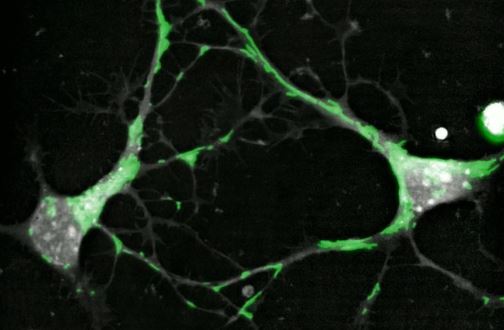
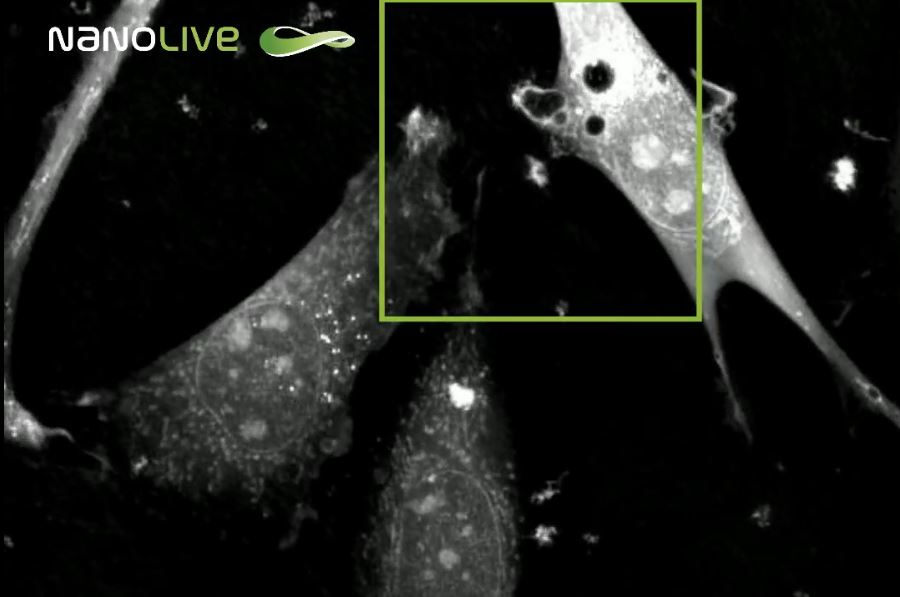
Mitochondria play an essential role in neurone function. They provide the energy and metabolites needed to: (i) form and maintain the synapses (neural junctions) that exist between cells, (ii) remove or repair old/damaged components, and (iii) deliver new materials,...
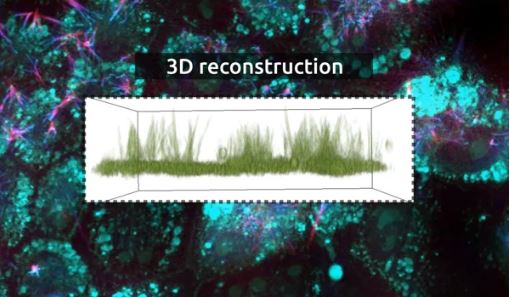
Multi-ciliated cells (MCCs) are terminally differentiated epithelia that are present in all metazoans and many unicellular eukaryotes1,2. In marine organisms they play a key role in locomotion and feeding3, while in mammals they clear mucus from the lungs, circulate...
Since their description in the 1970s1, mesenchymal stem cells (MSC) have been at the center of very active research with the challenge of using them as therapy in organ and tissue repair. For that purpose, it has been essential to develop culture protocols that would...
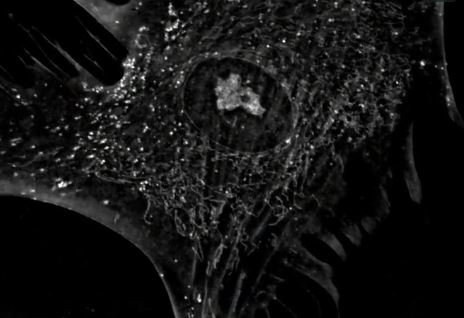
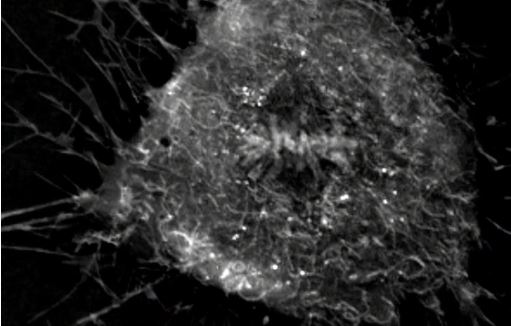
Nanolive’s label-free, non-invasive imaging allows us access to the dynamics of biological processes, such as mitosis in living cells, with unprecedented resolution. Here, we observe cell division in human mesenchymal stem cells using Nanolive’s 3D Cell Explorer. One...
Vesicle Transport Vesicle transport is an active and thus energy consuming process that the cell uses in order to capture or release macromolecules into or out of the cell. While exocytosis helps release content like proteins, waste products or toxins to the outside...